
Programs - Accounting & Auditing
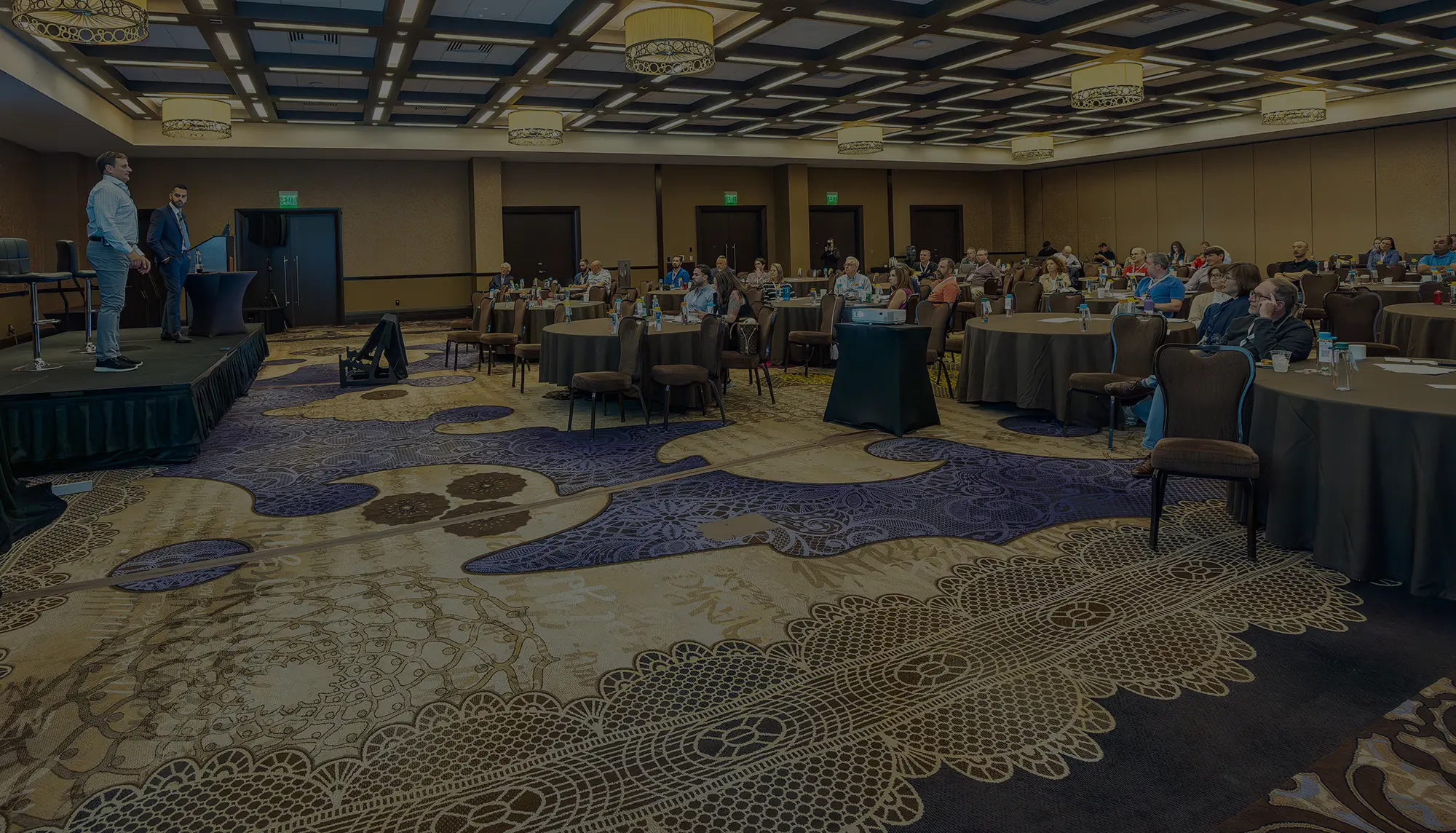
This gathering of A&A professionals from Alliance firms, including BDO Assurance principals, will allow for ample discussion of challenges, best practices and innovative ideas in leading efficient audit practices. Your fellow Alliance firms will drive the content and topics to be discussed and will help facilitate the meeting.
This session will discuss developments and reminders in the areas of ethics and independence.
Technical leaders from BDO will cover recent updates made by the Government Accountability Office to Generally Accepted Government Auditing Standards (GAGAS), as well as best practices to ensuring compliance with GAGAS requirements.
This session will discuss developments in Employee Benefit Plans, including recent DOL activity, quality control findings, and recent standards setting activity.
Technical leaders from BDO’s governmental practice will lead a discussion on the latest changes issued by the Governmental Accounting Standards Board (GASB) and the status of current projects being deliberated, including several recently issued GASB Statements.
Technical leaders from BDO will discuss upcoming changes to the Uniform Guidance promulgated by the U.S. Office of Management and Budget and the upcoming compliance supplement. Also, they will discuss lessons learned and practice issues related to Single Audits engagements, including any current developments and trends.
Featuring popular IFRS case studies from BDO, this session will cover hot topics in IFRS and common challenges in cross-border reporting.
Part 1 of this two-part session will explore an issuer’s initial accounting for complex financial instruments, focusing on recognition, measurement and classification under applicable standards, with practical examples and practice issues.
This session will describe practice issues in accounting for income taxes under ASC 740, including the impact of the One Big Beautiful Bill Act.
In today’s digital landscape, cyber events—including data breaches, ransomware attacks, and other cybersecurity incidents—pose significant risks to organizations of all sizes. This session will equip audit professionals with the knowledge and skills needed to understand their responsibilities when cyber events occur, both during the audit and in evaluating their impact on financial reporting and internal controls. Attendees will explore the auditor’s role in identifying, assessing and responding to cyber risks, including the implications for risk assessment procedures, audit planning, evidence gathering, concluding and reporting, as well as how cyber events may affect financial statement assertions, disclosures and the overall audit approach. Practical guidance will be provided on communicating with management and those charged with governance, as well as documenting audit procedures and conclusions related to cyber incidents.
Part 2 of this two-part session will focus on the key principles and procedures, along with common practice issues, relative to an issuer's accounting for debt modifications, including recognition, measurement and disclosure requirements.
This session discusses practice issues, peer review trends, and other developments in preparation, compilation, and review engagements.
With the new quality management standards now effective, a panel of Alliance members discusses lessons learned from adopting the standards and considerations for compliance moving forward.
Those who serve on the boards of for-profit (public and private) and/or nonprofit organizations must continually monitor the dynamic risk and opportunity landscapes that impact the businesses and communities they serve. Learn what may be top of mind to directors and how to better engage with them on issues, provide added value, and deepen relationships with these key stakeholders. This session will leverage findings and ongoing board engagement from BDO’s Center for Corporate Governance. Topics will include enterprise risk management, AI and emerging technology, data governance and cyber risks, evolving regulatory impact on financial and governance disclosures, human capital management, and other significant factors facing your clients.
This session will provide audit professionals with an in-depth exploration of group audits, emphasizing the practical challenges and key requirements introduced by ISA 600 (Revised); Special Considerations—Audits of Group Financial Statements (Including the Work of Component Auditors); and SAS 149, the forthcoming U.S. standard that converges with ISA 600 (Revised). Attendees will gain a clear understanding of the revised standard’s impact on planning, performing and documenting group audit engagements, including the enhanced focus on risk assessment, communication, and the responsibilities of group engagement teams. It will address common practice issues such as identifying components, evaluating component auditors, coordinating audit work across jurisdictions, and ensuring sufficient appropriate audit evidence. Real-world scenarios and examples will illustrate how practitioners can respond to the complexities of group structures and diverse reporting environments.